

AI and Health
|
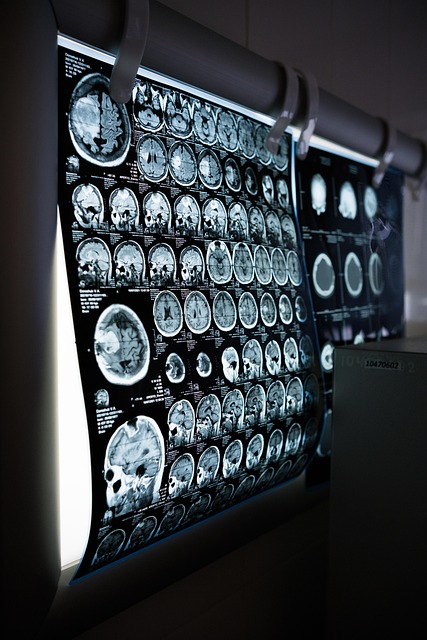
Medicine is one of the many fields impacted by artificial intelligence. More and more tasks are carried out by A.I. Doctors use it to detect diseases such as cancer without resorting to biopsies. This achievement was made possible by an algorithm created by a team at the Massachusetts Institute of Technology. It was able to identify, on mammograms of breast tissue that initially appeared healthy, the precise area where cancer would develop four years later. |
|
|
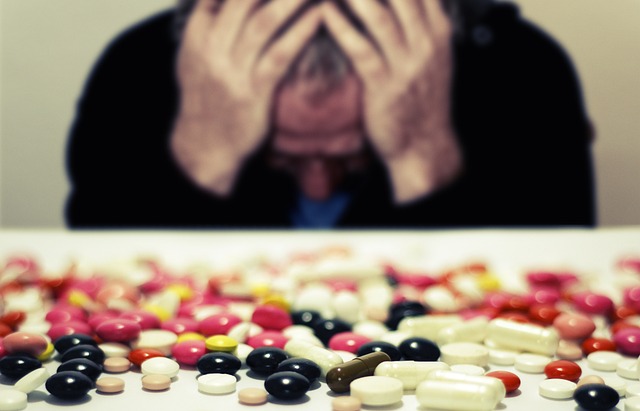
Although A.I. can make mistakes, they are not the same as those made by doctors. Physicians can therefore combine their expertise with A.I. analysis. A.I. also enables remote monitoring of diabetic patients through automated treatments delivered via applications such as Diabeloop. It can schedule appointments when needed and detect certain anomalies more quickly than if the patient had to wait for a doctor’s visit. These situations highlight the risk of dissociation and withdrawal from the real world, which can create tension with others and lead to isolation. Unfortunately, in extreme cases, these symptoms can lead to suicide. This has occurred when individuals fell in love with an artificial intelligence and later realized that such a relationship was impossible. |
To prevent such events from happening again, we must maintain a critical perspective on A.I.; otherwise, we risk a regression of civilization—in other words, a return to the law of the strongest.